Exploring the Anonymous Human Figures in Kyushu’s Decorated Tombs
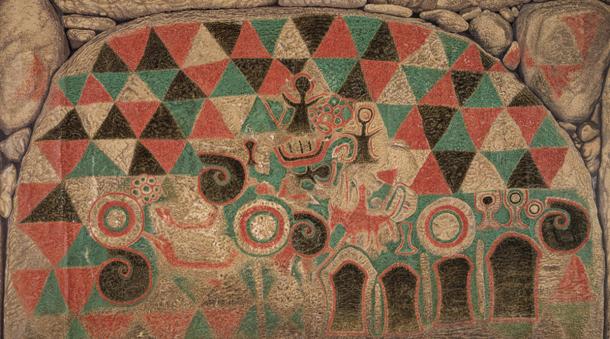
The burial sites of Kyushu, Japan from the Late Kofun era show that the anthropomorphic forms were never accounted for as representing individuals. The inconspicuous figures served as symbols encapsulating collective ancestral identity. According to a recent study, the idea that these images represented particular dead people or their likenesses has now been disproven. Instead, the findings suggest that tombs served as venues for ritual transition featuring anonymity as a critical part of the process.
The Late Kofun era associates itself with an important stage in Japanese funeral rituals. What used to be the practice of burying one person by putting him or her in a standing position and covering the revered with the earth has been transformed into a tomb made to contain several corpses at once fitted with horizontal stone chambers. The new architectural style has turned the tomb from a sealed monument into an accessible space for recurring ritual interactions between the living and the dead. In Kyushu, these chambers often featured entrance corridors aligned with open coffins, emphasizing the visibility of the deceased during ceremonies.
- Japan’s Kofun Period: 160,000 Ancient Tombs Built by the Forgotten Tomb Builders
- Rare, Giant-Sized Haniwa Funerary Statue Found in Japan
www.Ancient-Origins.net – Reconstructing the story of humanity’s past